


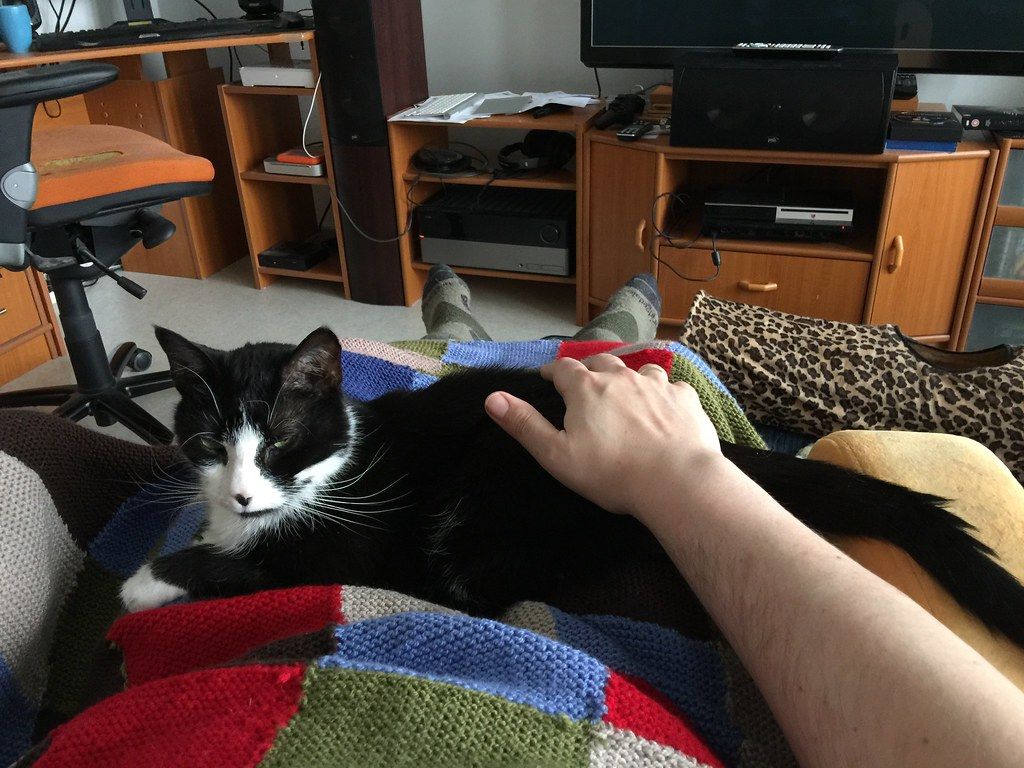
Emotional Support Animal Letters for Anxiety in Virginia
Racing thoughts before work, panic in a grocery line, dread that makes leaving the apartment feel impossible. When anxiety limits daily life, a Virginia-licensed clinician can assess whether an emotional support animal should be part of your plan.
Anxiety Is Common, and So Is Being Told to Just Relax
Everyone worries. An anxiety disorder is different: the fear is persistent, out of proportion to the situation and strong enough to change how you live. People skip job interviews, stop driving on the interstate, turn down invitations and lie awake long after midnight.
Those limits are what matter for housing. Fair housing law asks whether a condition substantially limits a major life activity such as sleeping, concentrating, working or caring for yourself. A clinician who understands anxiety can document that connection without putting your diagnosis in front of a landlord.
Of U.S. adults in a single year
The National Institute of Mental Health estimates that about one in five American adults had an anxiety disorder in the past year.
Many never receive treatment, often because symptoms are dismissed as ordinary stress.
Six Anxiety Disorders a Clinician May Consider
These are recognized diagnoses in the DSM-5. A proper evaluation looks at your specific symptoms rather than matching you to a label.
Generalized Anxiety Disorder
Excessive, hard-to-control worry on most days for at least six months, often with restlessness, fatigue, muscle tension and poor sleep.
Panic Disorder
Recurring, unexpected panic attacks with a pounding heart, shortness of breath or dizziness, followed by ongoing fear of the next one.
Social Anxiety Disorder
Intense fear of being judged or embarrassed in social or performance situations, leading to avoidance of work, school or everyday errands.
Agoraphobia
Fear of places where escape feels difficult, such as crowds, public transit or open spaces, sometimes to the point of rarely leaving home.
Specific Phobia
Marked fear of a particular object or situation. It qualifies as a disorder when avoidance causes real distress or impairment.
Separation Anxiety Disorder
Excessive distress about separation from attachment figures. Though often linked with childhood, it is also diagnosed in adults.
Obsessive-compulsive disorder and post-traumatic stress disorder are classified separately in the DSM-5. Read our page on PTSD, trauma and ESAs.
From Anxiety Symptom to Daily Limitation
Clinicians document function, not just feelings. This is how anxiety commonly translates into the kind of limitation a housing accommodation addresses.
| Symptom pattern | Life activity affected | How an animal may help |
|---|---|---|
| Night-time rumination and early waking | Sleeping | A calm presence and bedtime routine can make returning to sleep easier for some people |
| Panic attacks at home | Breathing, self-care | Stroking or focusing on an animal can serve as a grounding cue while practicing coping skills |
| Avoiding leaving the apartment | Walking, shopping, working | A dog's daily walks create gentle, predictable reasons to go outside |
| Constant worry that blocks focus | Concentrating, working | Care routines break up worry cycles and add structure to the day |
| Isolation from social fear | Interacting with others | Companionship at home can ease loneliness while therapy works on social goals |
Reading Screening Scores Like the GAD-7
Many clinicians use the GAD-7, a seven-question tool that asks how often over the last two weeks you have been bothered by symptoms such as nervousness or trouble relaxing. Each answer scores zero to three, for a total between 0 and 21.
A score is a starting point. It does not diagnose anything on its own, and there is no number that automatically earns or blocks an emotional support animal letter.
Commonly used GAD-7 severity bands
Bands shown for education only. Only a licensed clinician can interpret your results in context.
What an Emotional Support Animal Can and Cannot Do for Anxiety
Reasonable expectations
Where the limits are
Dog, Cat or Something Smaller?
HUD's assistance animal guidance treats animals commonly kept in households, such as dogs, cats, small birds, rabbits, fish and turtles, as the typical case. A more unusual animal needs a stronger explanation of why that particular animal is necessary.
Built-in reasons to go outside and move, which helps with avoidance. They also need the most time, space and training to stay quiet in shared buildings.
Well suited to apartments and unpredictable hours. Their affection is on their own terms, which some people with anxiety find restful rather than demanding.
Quiet companionship with modest space needs. Check that the enclosure and any noise fit your building before choosing one.
An aquarium's slow rhythm can be calming, and tanks over a certain size may already be addressed in your lease.

When Anxiety Peaks After Midnight
Night is when many people feel anxiety most. These habits are commonly paired with an animal's presence, alongside the skills your clinician teaches.
Ground Through Touch
Notice the texture and warmth of your animal's fur while slowing your breathing.
Keep a Wind-Down Routine
A last walk or feeding at the same time each night signals that the day is ending.
Put the Phone Away
Scrolling feeds worry. Let caring for your animal be the final screen-free task.
Know When to Call
If you feel unsafe or in crisis, call or text 988 at any hour, or call 911 in an emergency.
Anxiety Support Across Virginia
An emotional support animal works best as one piece of a wider support system. These public options exist statewide.
Community Services Boards
Every Virginia locality is served by a community services board offering public mental health care, with fees often based on income.
STEP-VA Same-Day Access
Virginia's STEP-VA initiative set out to let people walk into a community services board for a same-day assessment rather than wait weeks.
Marcus Alert
Virginia's Marcus Alert system aims to bring a behavioral health response to mental health crises, and it is being expanded locality by locality.
988 Lifeline
Call, text or chat 988 for free, confidential support from trained crisis counselors any time of day.
How an Anxiety-Focused ESA Evaluation Works
Free Screening
You answer questions about worry, panic, avoidance and sleep. It helps decide whether a full evaluation is worthwhile, at no cost.
History and Function
The clinician asks how long symptoms have lasted, what triggers them and which daily activities they limit.
The Role of the Animal
Together you discuss how an animal relates to your symptoms and whether you can care for it well.
Decision and Letter
If an ESA is clinically appropriate, you receive a signed letter that describes your need without naming your diagnosis.
Plans for an Anxiety Evaluation
Live pricing from checkout. Try the Free Screening first so you only pay once an evaluation looks likely to help.
Anxiety and ESA Questions From Virginians
Honest answers to what people ask before starting an evaluation.
Related Condition and Housing Guides for Virginia
Educational content about anxiety and emotional support animals, not medical or legal advice. It cannot diagnose a condition; speak with a licensed professional about your own symptoms.
Take the First Calm Step Toward an Anxiety ESA Letter
Five private minutes, no cost and no pressure. A Virginia-licensed clinician takes it from there only if an evaluation makes sense.
Background photo: nenadstojkovicart, CC BY 2.0