Licensed by the State of Texas
Your Austin ESA letter or psychiatric service dog letter shows the clinician's Texas license, and a landlord can confirm it on a free state lookup.

Take the free screening, choose an ESA or PSD plan and meet a Texas-licensed clinician by video from anywhere in Austin. If the evaluation supports your request, the signed letter is ready for your landlord, your leasing office or UT Austin housing.
The screening is free and short, so you find out whether an evaluation makes sense before spending anything.
Describe what you are going through, the animal that helps and where you rent, whether that is a Mueller apartment or a house near Zilker.
Pay for the plan you picked and a Texas-licensed clinician reviews what you wrote, then evaluates you in a video visit.
A yes from the clinician puts a signed letter in your account. A no comes with the reason, and our refund policy lets you ask for your money back.
Pricing
Compare the current evaluation fees, read live from our checkout. Austin's screening is free. Plans are paid at checkout, before the evaluation, and if your clinician cannot support a letter, our policy lets you request a refund within 30 days of purchase. Questions? Read our FAQ page or contact us.
Clinical review for one emotional support animal and a Texas housing letter.
$149.00/ one-time
One evaluation covering the support provided by each of your animals in a Texas home.
$159.00/ one-time
A psychiatric service dog evaluation with a clinician licensed in Texas.
$199.00/ one-time
Compare the combined letter and document options.
An ESA letter and certificate together in one document package.
$199.00/ one-time
A PSD letter, certificate and ID card in one package.
$225.00/ one-time
Need help choosing? Take the free screening first or compare every plan. Documentation depends on clinical approval; optional certificates and cards do not establish access rights.
Austin landlords and UT housing staff look for a letter they can verify. Four things go into every one we deliver.
Your Austin ESA letter or psychiatric service dog letter shows the clinician's Texas license, and a landlord can confirm it on a free state lookup.
Your clinician talks with you before making any decision. Nothing is approved automatically, and there is no registry to join.
Each emotional support animal letter is prepared for the people who review requests: Austin landlords, property managers and University Housing and Dining.
Checkout charges the plan price shown above, once. If no letter can be supported, you may ask for a refund under our policy.
At the University of Texas at Austin, Disability and Access (D&A) must approve an emotional support animal before it moves into university housing; without that approval the animal may be removed. UT also asks for its own ESA Verification Form, so a letter alone may not complete your request.
Mark it on your housing application and send D&A the online Request for Housing Accommodations form, which you can do as soon as you accept admission.
A licensed clinical professional or healthcare provider familiar with your disability fills in the ESA Verification Form. A family member cannot.
D&A begins only after University Housing and Dining confirms your active housing contract and every required item from you and your provider has arrived.
D&A sends a recommendation to University Housing and Dining, which decides. Approved accommodations are subject to availability.

CapMetro places its animal rule among the activities its Code of Conduct prohibits on every service and at every facility.
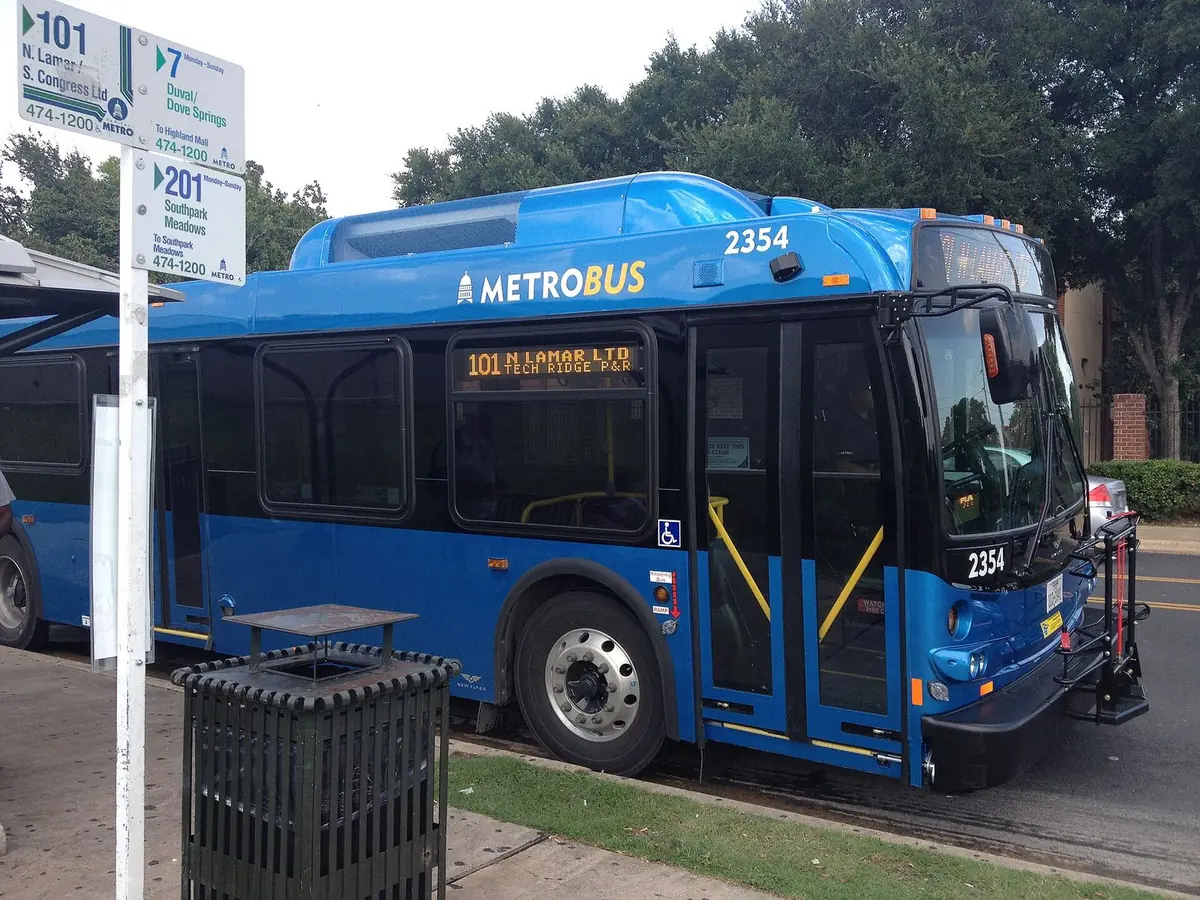
Planning a trip with your animal? Ask the CapMetro GO Line at (512) 474-1200. Breaking the code can lead to a suspension from service. CapMetro Code of Conduct
Austin Equity and Inclusion's Civil Rights Division helps people who have faced discrimination in housing, work or public services, and the Texas Workforce Commission lists it among its fair housing resources.
As a Fair Housing Assistance Program (FHAP), it takes housing discrimination complaints. Under a City of Austin ordinance it also accepts complaints based on:
Adopted in February 2016, Chapter 2-14 lets City staff modify a City of Austin requirement related to residential property for a person with a disability. The person, a representative or someone living with them can ask by sending:
The department head grants or denies it based on reasonableness and undue burden. This route covers City requirements, not a landlord's pet policy.
Austin Animal Services is the municipal shelter for the City of Austin and unincorporated Travis County. It is the place to check if your emotional support animal goes missing, and its Pet Resource Center can help with a microchip.
| Walk-in adoption and reclaim | Daily, 11 a.m. to 7 p.m.; adoption lines close at 6 p.m. |
|---|---|
| Pet Resource Center | Monday to Friday, 11 a.m. to 4 p.m., for microchips and other resources |
| Animal emergencies | 3-1-1 or 512-974-2000, the City of Austin's service help center |
The shelter posts its holiday closures with these hours. Austin Animal Services
These four state rules come up most often for Austin renters with an assistance animal.
Saying no to a reasonable exception in a rule, policy, practice or service is discrimination when a tenant's disability makes the exception necessary to live in the home on equal terms. Whether that covers an untrained ESA after HUD's May 2026 change is still open.
A Texas fair housing complaint goes to the Texas Workforce Commission in writing and under oath, within one year. You cannot file the same complaint with both TWC and HUD.
A landlord may not charge an extra deposit or fee for a service animal. Damage past reasonable wear and tear is still the tenant's to pay.
Count 30 days from surrender of the unit for the refund deadline, and put your forwarding address in writing, since the landlord can wait for it.
ESA and PSD letters across Texas · Texas city and topic guides
Free civil legal help across 68 counties, Travis, Williamson and Hays among them. The phone line is open weekdays, 9 a.m. to 5 p.m. Central.
Texas fair housing complaints go to its Civil Rights Division, which accepts them up to one year after the discrimination.
Each Texas licensing board runs a free public search, which lets you or a landlord check the license of the clinician who signed.

Short answers drawn from the CapMetro, UT Austin, city and legal aid sources linked on this page.
No. CapMetro's Code of Conduct bars boarding with a pet that is not a service animal and names emotional support and comfort animals. Service animals ride under their handler's full control.
Approval from Disability and Access. You submit the Request for Housing Accommodations form, a licensed provider familiar with your disability completes the ESA Verification Form, and University Housing and Dining makes the final decision.
At least 60 days before your preferred move-in date; later requests depend on availability. For residence halls, UT asks for documentation as early as possible.
No. Emotional support animals are not allowed inside UT Austin buildings other than university housing, or at university events such as lectures, performing arts venues and athletics.
The City of Austin Civil Rights Division, 505 Barton Springs Road, Suite 515, 5th Floor. Call 512-974-3251 or email civilrights@austintexas.gov.
Yes. Under a City of Austin ordinance, the Civil Rights Division also accepts complaints based on student status, creed, marital status, age and source of income.
Texas RioGrande Legal Aid, whose service area includes Travis, Williamson and Hays counties. Its Austin office is at 4920 North I-35; for legal help, call (956) 996-8752 or (833) 329-8752 toll-free on weekdays, 9 a.m. to 5 p.m. Central.
The Pet Resource Center helps with microchips and other resources Monday to Friday, 11 a.m. to 4 p.m. For an animal emergency, dial 3-1-1 or 512-974-2000.
Whoever reviews your request in Austin, a landlord or UT housing, expects documentation from someone qualified to judge your need. Each Austin letter we issue is signed under a Texas license.
Meets you by video, decides whether your need is supported and signs under a Texas license that anyone can check on the state board's search.
Neither one is clinical documentation; an optional certificate or ID card does not establish access rights on its own.
UT Austin's ESA Verification Form, described above, cannot be completed by a family member.
Start by answering the free screening. When a Texas-licensed clinician approves your request, download the letter from your account and send it to your property manager or UT housing.