Open the questionnaire
Share how you are feeling, which animal you rely on and where you rent, from a peninsula flat to a James Island house.

Start with a free screening, choose a plan and meet a clinician with a South Carolina license by video, whether you rent on the peninsula, in West Ashley or on Daniel Island. If your evaluation supports it, your signed letter is ready for the landlord or property manager.
Answering the opening questions is free, and they show whether booking an evaluation makes sense.
Share how you are feeling, which animal you rely on and where you rent, from a peninsula flat to a James Island house.
Once checkout is done, a South Carolina-licensed clinician reads your answers and then evaluates you over a telehealth visit.
An approved request comes back as a signed letter in your account; a declined one comes with the clinician's reasons and our refund policy.
Pricing
Compare the current evaluation fees, read live from our checkout. Charleston's screening has no charge. You choose a plan and pay at checkout before the evaluation, and if your clinician cannot support a letter, our policy lets you request a refund within 30 days of the purchase. Questions? Read our FAQ page or contact us.
Clinical review for one emotional support animal and a South Carolina housing letter.
$149.00/ one-time
One evaluation covering the support provided by each of your animals in a South Carolina home.
$159.00/ one-time
A psychiatric service dog evaluation with a clinician licensed in South Carolina.
$199.00/ one-time
Compare the combined letter and document options.
An ESA letter and certificate together in one document package.
$199.00/ one-time
A PSD letter, certificate and ID card in one package.
$225.00/ one-time
Need help choosing? Take the free screening first or compare every plan. Documentation depends on clinical approval; optional certificates and cards do not establish access rights.
Landlords from the historic district to West Ashley expect a Charleston ESA letter they can verify, including in no-pet housing. Ours is built for that.
| License a landlord can check | The licensed South Carolina clinician who signs your letter lists the license on it, so a landlord can look it up. |
|---|---|
| Seen by a person first | No request is approved from answers alone; a clinician evaluates you by video first. |
| Housing documentation | Your PSD letter or emotional support animal letter speaks to the housing providers who weigh animal requests, from single houses to large apartment communities. |
| A fixed price | You pay one time, at checkout, the price listed above, and the refund policy applies whenever a letter cannot be supported. |
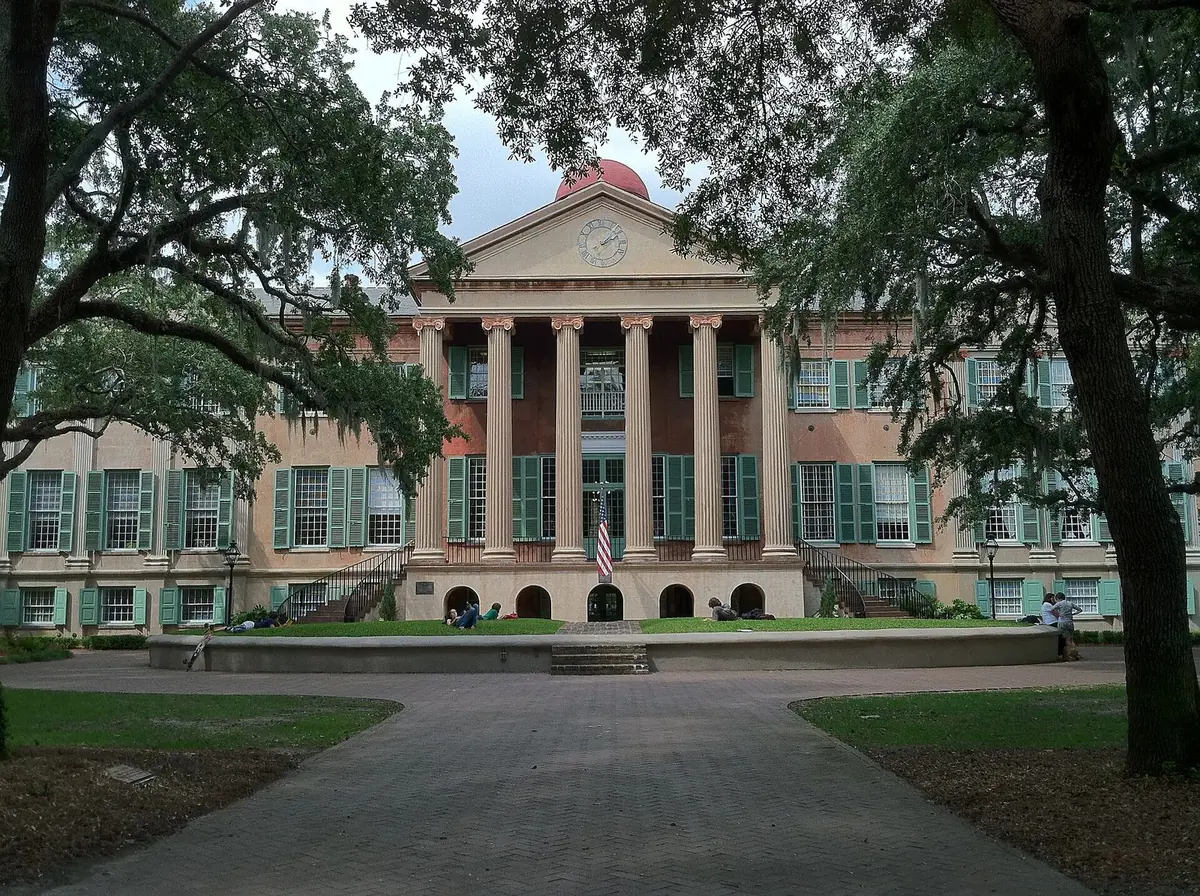
The College of Charleston allows approved emotional support animals in campus housing, and its Center for Disability Services runs the review.
No ESA may come to a residence hall until the Center for Disability Services has given its official approval, so send the paperwork with plenty of lead time.
The college prefers documentation from a provider in South Carolina or your home state with personal knowledge of you, and it warns that internet paperwork alone may not be enough. Policy 6.1.8
CARTA, the regional bus system for the Charleston area, publishes guidance on service animals and nothing more specific.
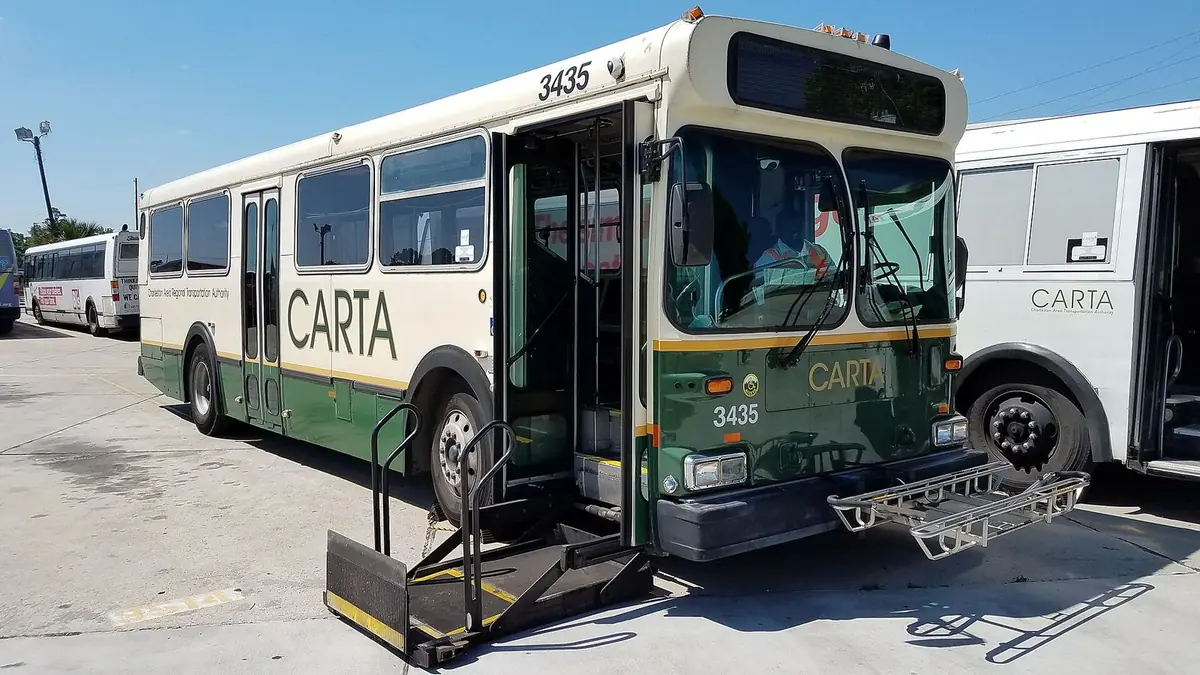
Riders with service animals are always accommodated.
CARTA's accessibility page also says service animals are welcome on its buses. CARTA accessibility
ESAs do not count as service animals, and CARTA has not posted a rule for them or for pets. Ask CARTA at (843) 724-7420 what it allows before boarding with one.
Three state laws come up most when a Charleston renter asks about an animal.
Questions are limited to two things, a disability and the animal's disability-related help or emotional support, and paperwork covering both settles them.
Once the tenancy ends and you ask for it, the landlord has 30 days to return the deposit with an itemized list; money wrongfully kept can cost triple.
Under Layla's Law, presenting a pet as a trained service animal can lead to civil penalties that climb from $250 to $500 to $1,000.
South Carolina's Human Affairs Commission stated in August 2026 that the change in HUD enforcement leaves the state's own fair housing protections in place. SCHAC
The Charleston office, at 2803 Carner Ave in North Charleston, offers free civil legal help to eligible low-income residents. Call (843) 720-7044 or toll-free (888) 720-2320; it stays open until 7 p.m. on Wednesdays.
A complaint to SCHAC must be in within 180 days of the latest discriminatory act; HUD's deadline is one year.
Call or text 988 at any hour. Charleston Dorchester Mental Health Center: 843-414-2350. Statewide Mobile Crisis: 833-364-2274.
On either side of the Ashley and Cooper rivers, your evaluation works the same way: a telehealth visit with a clinician who is licensed in South Carolina.
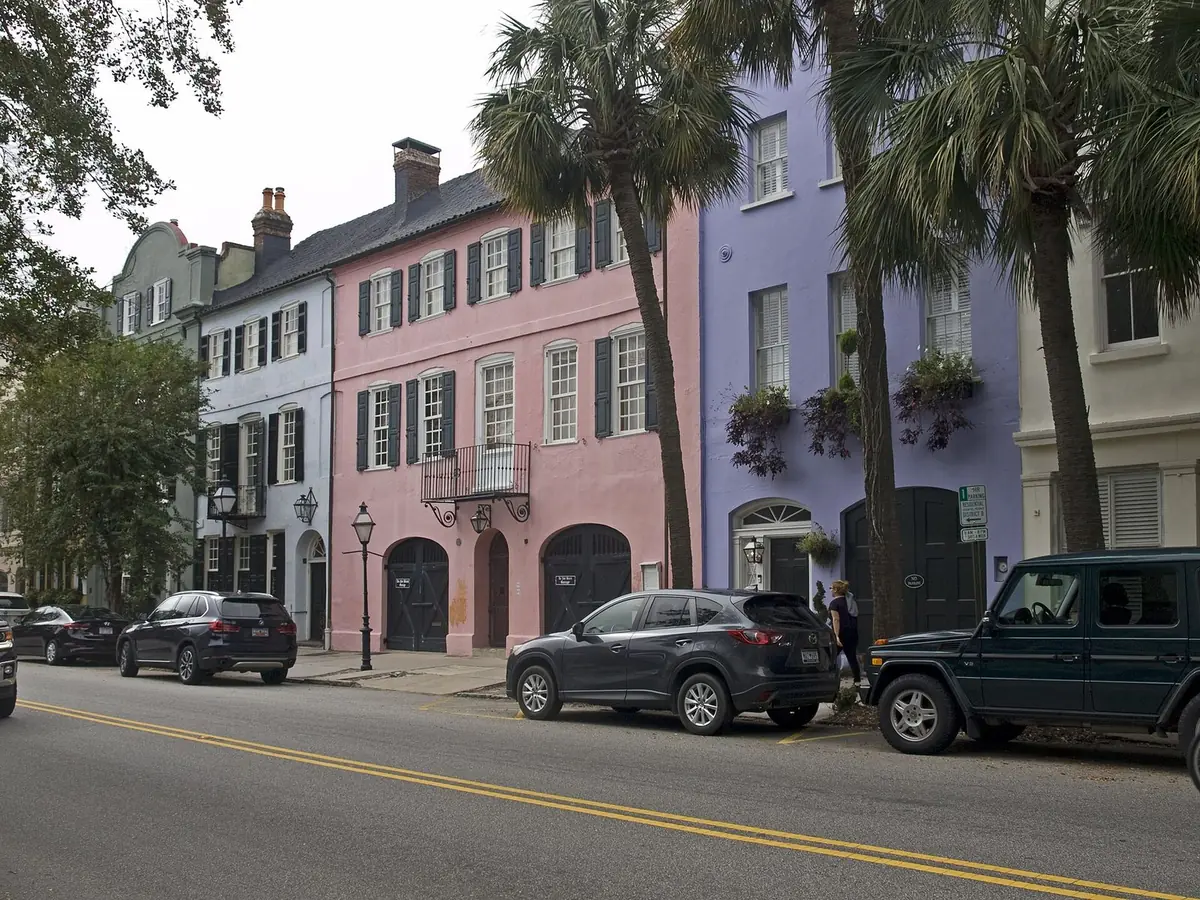
Only two points are open: is there a disability, and does the animal give help or emotional support linked to it? Under the state Fair Housing Law, paperwork answering both is sufficient.
180 days from the most recent discriminatory act with the South Carolina Human Affairs Commission, or one year with HUD.
Yes. The Human Affairs Commission said in August 2026 that HUD's new enforcement approach does not reduce what the state Fair Housing Law protects.
The landlord has 30 days, counted from the later of move-out and your request, to refund it with an itemized list. Money kept wrongfully can be recovered at three times the amount, plus attorney's fees.
Yes, once the Center for Disability Services approves it. The animal may not come to the residence hall before that approval, so send the provider documentation well ahead of move-in.
The college prefers a provider licensed in South Carolina or in your home state who has personal knowledge of you, and its form asks how long and how often the provider has seen you.
CARTA's pages say service animals are welcome and riders with them are always accommodated. They publish no rule for other animals, so call CARTA at (843) 724-7420 before you ride with one.
Yes, for eligible low-income residents. South Carolina Legal Services runs its Charleston office at 2803 Carner Ave in North Charleston: (843) 720-7044, or toll-free (888) 720-2320.
Yes. Charleston residents complete the screening and the video evaluation online, and the clinician who evaluates them holds a South Carolina license.
The city next door, up the neck of the peninsula
Across the Cooper River
Every South Carolina city and topic page
The statewide service page
Facts on this Charleston page are current as of October 2026 and rest on the College of Charleston, CARTA, South Carolina Legal Services, the state code and the other sources linked here. Read them as background, not legal advice for a particular lease. Screening does not guarantee a letter; only your evaluating clinician can approve one. Policies change, so confirm with each source. If you are in distress, 988 takes calls and texts day and night.
There is no charge for the screening. When a South Carolina-licensed clinician supports your request, the signed letter is placed in your account for your landlord.