Do You Need an ESA Identification Card in Florida?
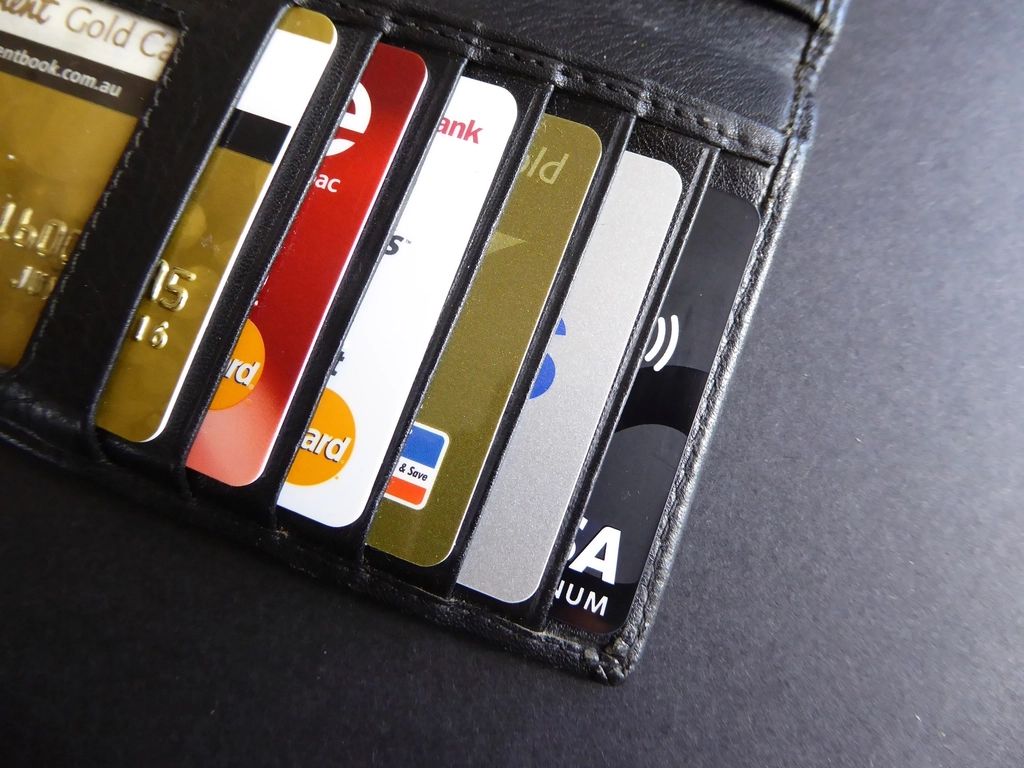
Most states leave this question to guesswork. Florida answered it in the statute itself. An internet card, patch or certificate does not, on its own, prove anything to a Florida housing provider. What follows is what the law says, what a card is good for, and the one tag the law really does require.
"An emotional support animal registration of any kind, including, but not limited to, an identification card, patch, certificate, or similar registration obtained from the Internet is not, by itself, sufficient information to reliably establish that a person has a disability or a disability-related need for an emotional support animal."
Florida Statute 760.27What an ESA Card Is, Legally
It helps to be precise, because sellers are not. A card is a product. It is not a credential, and there is nothing official behind it.
A product
Anyone can print one and anyone can buy one. The price and the design say nothing about whether a clinician ever assessed the person holding it.
No state registry
No Florida agency keeps a list of emotional support animals, issues numbers for them, or recognizes a private company's list.
No federal registry
Nor does any federal agency. The 2026 HUD change narrowed federal enforcement further; it did not create a registry.
What Does Each Item Prove?
Tap a card to turn it over and see how Florida law treats it in a housing request.
Why Florida Put It in Writing
When the Legislature passed its emotional support animal law in 2020, it was answering a specific complaint from housing providers: stacks of instant online certificates that nobody could check.
- The statute pointed providers toward information from real practitioners instead of paperwork from a checkout page.
- It kept the protections for people with a genuine need, including the ban on charging extra for the animal.
- And it added a separate offense, in Section 817.265, for falsifying or knowingly giving fraudulent documentation.
What Counts Instead
If a card will not do, four kinds of information will. Florida lists them.
Vests and Patches in Public Places
Outside housing, a different Florida law applies, and it is even less interested in gear.
- Florida Statute 413.08 covers service animals: dogs and miniature horses trained to do work for a person with a disability.
- Staff may ask only two things, and may not make documentation a condition of service.
- A vest is optional for a real service dog and meaningless on a pet. Emotional support is not work under that statute.
- Passing a pet off as a service animal is a second-degree misdemeanor, with 30 hours of community service.

Where a Card Can Still Help
A card is not proof, but it is not useless either. Used for what it is, it saves time.
How our card works
We offer a digital ID card and a certificate as optional add-ons, and only after a Florida-licensed clinician has approved your letter.
We tell every client the same thing: the letter is what your landlord relies on; the card makes its details easy to show. See the card and certificate.
The Tag Florida Does Require
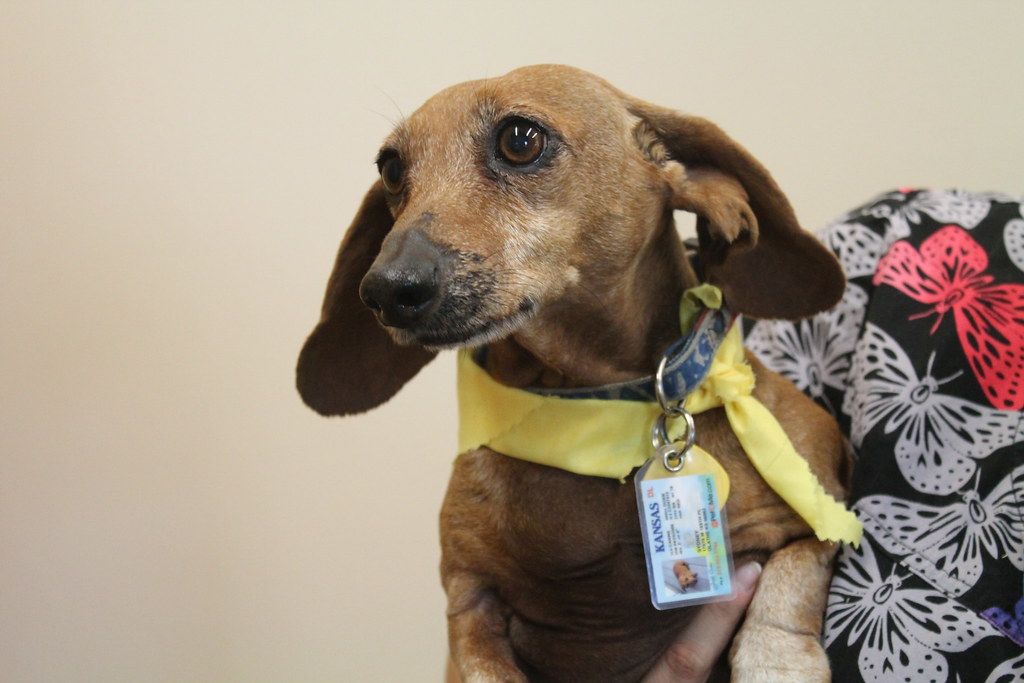
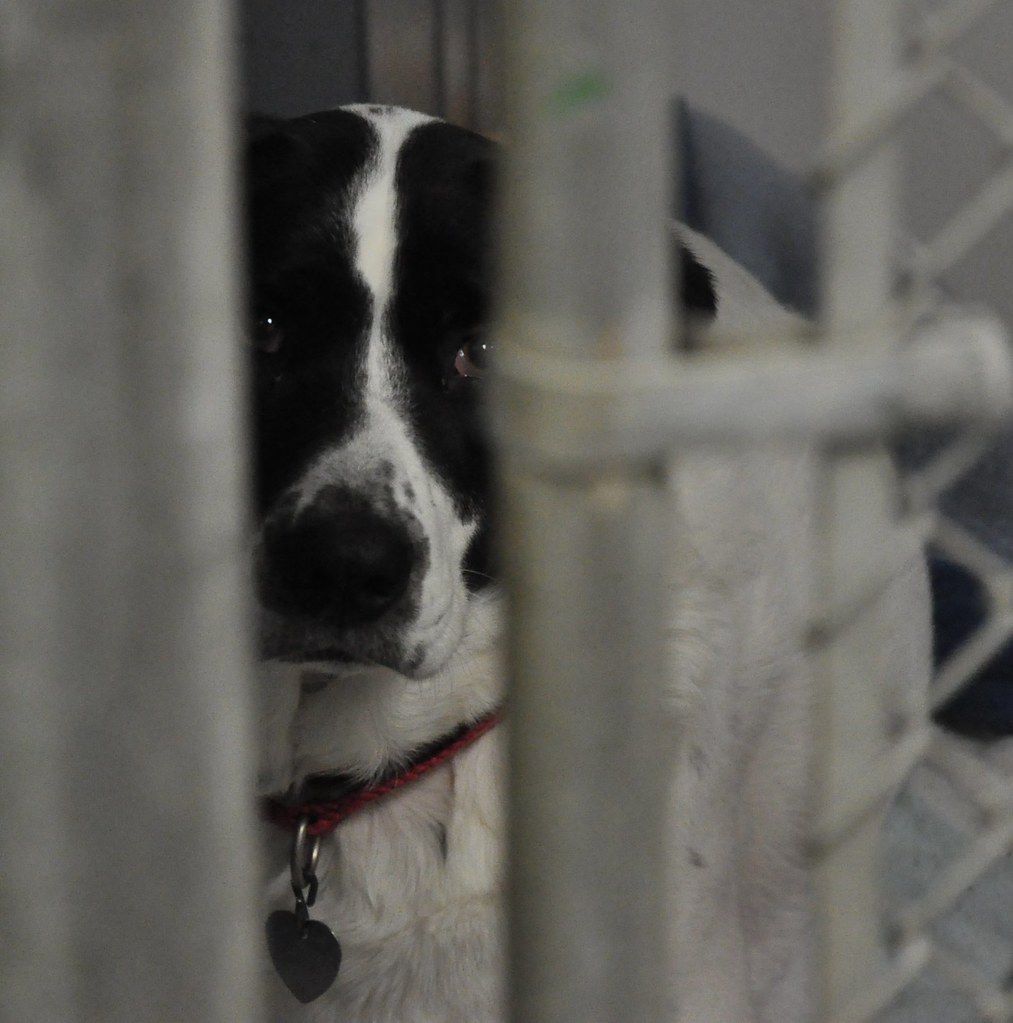
The only tag with legal force is the one people forget: the local license, tied to a current rabies vaccination.
- Counties and some cities license dogs and cats, usually from four months of age. Rules differ, so check yours.
- Palm Beach and Polk counties, Escambia County and the City of Port St. Lucie all tie the tag to a rabies certificate.
- Section 760.27 lets a housing provider ask for proof of licensing and vaccination before approving an emotional support animal.
- So the county tag belongs in your request file; the ESA card is optional.
If a Landlord Asks for a Registration Number
It happens, usually because a leasing portal has a field for it. Three calm replies cover it.
"Florida has no emotional support animal registry. Section 760.27 treats registrations as insufficient on their own, so I am providing a clinician's letter instead."
Attach the letter, the county license and the rabies certificate. That is everything a Florida provider may reasonably ask for.
Reply by email, so the portal's demand and your answer are both on record if the request later stalls.
Get the Document That Counts
Prices from our pricing page. Every plan starts with a free screening and ends, if you qualify, with a letter from a Florida-licensed clinician.
Processing: 24-48 Hour
Get the Real DocumentESA ID Card Questions
Do I need an ESA ID card in Florida?
No. Florida law does not require one, and Section 760.27 says a registration, identification card, patch or certificate obtained from the internet is not, by itself, sufficient to establish a disability or a disability-related need for an emotional support animal.
Can a Florida landlord accept an ESA ID card?
A landlord can look at one, but it does not have to treat it as enough. The statute points instead to information from a qualifying health care practitioner or telehealth provider, so expect to be asked for a letter.
Is there an official Florida ESA registry?
No state or federal agency registers emotional support animals. Websites that sell a registry number are private businesses, and the number carries no legal status in Florida.
Does a service dog need an ID card or vest in Florida?
No. Under Florida Statute 413.08, a business may not make documentation a condition of service. Staff may ask whether the dog is required because of a disability and what work or tasks it has been trained to perform.
Which tag does Florida actually require?
The county or city license tag, backed by a current rabies vaccination. A Florida housing provider may ask for proof of licensing and vaccination under Section 760.27, which makes that tag more useful in a housing request than any ESA card.
Does American Service Animals sell ID cards?
We offer a digital ID card and a certificate as optional add-ons, only after a Florida-licensed clinician has approved a letter. They make the letter's details easy to show. The letter is the document a housing provider relies on.
Other Florida Paperwork Questions
General information for Florida residents, current as of September 2026. Not legal advice or medical advice. Quotations from Florida Statutes are taken from the official text; check the current version before relying on it. An evaluation can end without documentation, and no card is issued without an approved letter. In a crisis, call or text 988.
Skip the Card, Start With the Letter
The free screening takes a few minutes. If a Florida clinician approves you, a card is an optional extra afterward.