A Connecticut license on every letter
Your clinician holds a Connecticut license, and the letter names it, so a housing provider can look it up on the state's eLicense search.

Your first step is a free online screening. Next, a clinician who holds a Connecticut license evaluates you by telehealth and, if the evaluation supports it, signs an ESA letter or PSD letter for your landlord. Below, every Connecticut guide we publish, sorted by planning region and by topic.
The screening covers your symptoms, the animal at your side and the place you rent. It costs nothing, and it tells you whether an evaluation is worth booking.
Describe how your symptoms shape daily life and how your animal helps, whether you rent a New Haven walk-up or a Litchfield County farmhouse.
After checkout, your answers go to a Connecticut-licensed clinician, who evaluates you in a private telehealth visit.
A supported letter appears in your account in digital form. If the clinician cannot support one, you learn why, and the refund policy covers your plan.
Pricing
Compare the current evaluation fees, read live from our checkout. There is no charge for the Connecticut screening. A plan is bought at checkout, so payment comes before the clinician's evaluation; if the Connecticut-licensed clinician does not support a letter, the refund policy lets you ask for that payment back for 30 days after buying. Questions? Read our FAQ page or contact us.
Clinical review for one emotional support animal and a Connecticut housing letter.
$149.00/ one-time
One evaluation covering the support provided by each of your animals in a Connecticut home.
$159.00/ one-time
A psychiatric service dog evaluation with a clinician licensed in Connecticut.
$199.00/ one-time
Compare the combined letter and document options.
An ESA letter and certificate together in one document package.
$199.00/ one-time
A PSD letter, certificate and ID card in one package.
$225.00/ one-time
Need help choosing? Take the free screening first or compare every plan. Documentation depends on clinical approval; optional certificates and cards do not establish access rights.
From Greenwich condos to Storrs rentals, people come to us for the same four reasons.
Your clinician holds a Connecticut license, and the letter names it, so a housing provider can look it up on the state's eLicense search.
Nothing is issued from a form alone. A clinician studies your answers and evaluates you before making a decision.
Letters are prepared for the landlords, condo associations and property managers who receive accommodation requests.
Plan prices are listed above and charged once at checkout, and the refund policy applies when a letter is not supported.
Every guide below links back to the same free screening.
Search for ESA registration and you will find sites selling certificates, ID cards and database listings. None of them comes from a Connecticut agency, and none replaces an evaluation.

There is no public registry of emotional support animals in Connecticut, and no federal one either.
Connecticut runs local matters through its 169 towns rather than counties, and in 2022 the Census Bureau adopted the state's nine councils of governments as county equivalents. Our ten city guides fall in five of those regions.
18 municipalities in the Western Connecticut Council of Governments
38 municipalities in the Capitol Region Council of Governments
Six communities in the Connecticut Metropolitan Council of Governments
15 municipalities in the South Central Regional Council of Governments
19 municipalities in the Naugatuck Valley Council of Governments
The other four regions, from the lower Connecticut River to the state's northeastern and northwestern corners and the southeastern shore, have no city guide yet. Every town there is served the same way, by telehealth.
Ten guides go deeper on one subject each. Pick the one closest to your situation.
If a landlord refuses your request or you need advice before you make one, these Connecticut groups can help.

Investigates housing discrimination, gives advice and counseling, and can provide free legal representation to people who were discriminated against. Its Get Help pages include a Disability Letter Generator.
860-247-4400, toll free 888-247-4401, 60 Popieluszko Court, Hartford. WebsiteConnecticut's Protection and Advocacy System, an independent statewide nonprofit.
Intake (860) 297-4300, toll free within Connecticut (800) 842-7303, videophone (860) 509-4992. WebsiteA statewide nonprofit that gives legal services to low-income people with mental health conditions.
Toll free (877) 402-2299; based in Middletown. WebsiteFree legal advice and referrals for low-income residents through its hotline. Tenants facing eviction or the loss of a housing subsidy may have a right to a free lawyer: 1-800-559-1565.
Hotline 1-800-453-3320. WebsiteTransit rules here separate trained service animals from every other animal, an emotional support animal included.
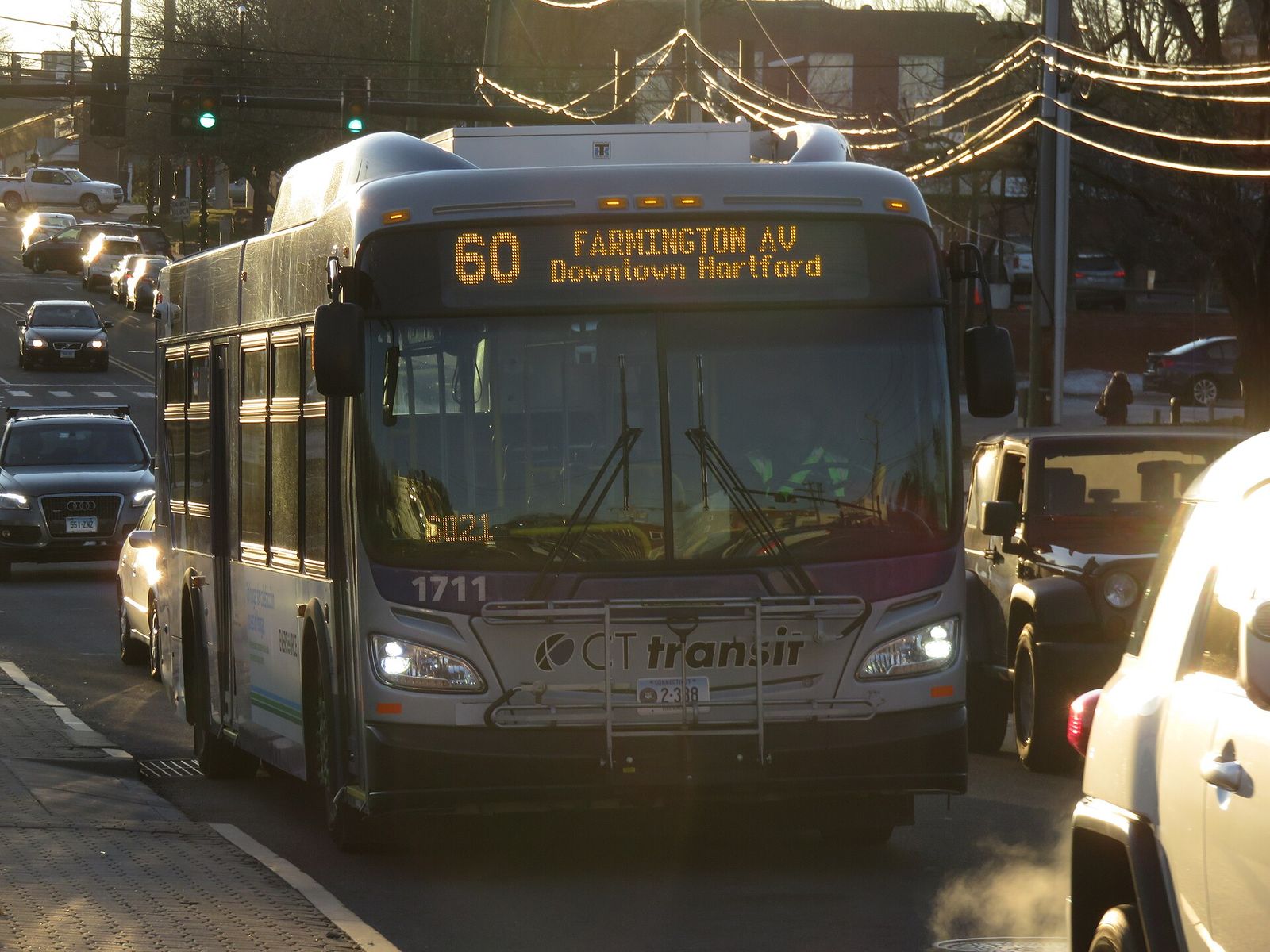
Service animals are welcome in every CTtransit facility and vehicle. CTtransit counts an animal as one when it has been individually trained to do work or carry out tasks for a rider with a disability. It must be leashed, harnessed or tethered, or kept under voice or signal control when that equipment would get in the way of its work. Customer service: 860-525-9181.
A pet rides in a kennel or similar container, or on a securely held leash from boarding to arrival, and must not be offensive to other riders. Service animals follow separate MTA policies.
Eight answers about registration, regions, transit and help in Connecticut.
No. No Connecticut agency registers emotional support animals, and online registrations are private products. What a housing provider can rely on is documentation from a clinician who evaluated you.
Ten: Bridgeport, Danbury, Greenwich, Hartford, New Britain, New Haven, Norwalk, Stamford, Waterbury and West Hartford. Towns without a guide are served the same way, by telehealth.
Connecticut has no county government, and since 2022 the Census Bureau has used the state's nine councils of governments as county equivalents, so regional planning and data follow those regions.
The Connecticut Fair Housing Center can provide free legal representation to people who faced housing discrimination, Statewide Legal Services gives free advice to low-income residents at 1-800-453-3320, and the Connecticut Legal Rights Project serves low-income people with mental health conditions.
Disability Rights Connecticut is the state's Protection and Advocacy System. Its intake line is (860) 297-4300, or (800) 842-7303 toll free within Connecticut.
CTtransit's accessibility rules welcome service animals, which it defines as animals individually trained for a rider with a disability. Without that training, an emotional support animal does not fit the definition, so call customer service at 860-525-9181 before you ride with one.
A pet must travel in a kennel or similar container or on a secure leash for the whole trip, and it must not be offensive to other riders. Service animals follow separate MTA policies.
Yes. The letter comes from a clinician licensed in Connecticut and speaks to your disability-related need, not to one town, so you can give a copy to each new housing provider while it is current.
Our state page, our general guides and the states next door.
Connecticut pagesConnecticut ESA lettersLandlord's guide to ESAsRights of ESA ownersSteps of our processOpen an account
States next to ConnecticutNew YorkMassachusettsRhode Island
Get goingBegin the screeningCompare plansEvery state we serve
Want to ask something first? Call (650) 942-0005 or email support@americanserviceanimals.com.
Written for people in Connecticut as general information, current as of October 2026; not legal advice. It relies on the Census Bureau's county change notes, the councils of governments, CTtransit, the MTA and the organizations named above. Programs, phone numbers and rules change, so confirm them with each office first. Screening does not guarantee a letter. In a crisis, call or text 988.
The screening is free and online. If a Connecticut-licensed clinician supports it, the signed ESA letter or PSD letter is delivered to your account, ready for your landlord.