
PTSD Service Dog and ESA Letters in Alabama
Alabama's service animal law is specific about tasks, training and what a business may ask, which matters if a dog helps you with nightmares, crowds or panic. Take the free screening, and a clinician licensed in Alabama decides whether a psychiatric service dog letter or an ESA letter fits. Veterans can find VA care below.
VA Medical Centers in Alabama
Alabama VA Care Finder
Pick the part of Alabama you live in to see the VA sites this page lists for it, with addresses from VA.
What Alabama Counts as a Task
Under Alabama Code 21-7-4, a service animal is a dog individually trained to do work or perform tasks for a person with a disability, and the tasks must relate directly to that disability. Emotional support, comfort or companionship do not count as tasks. A dog trained to interrupt a nightmare or a flashback can qualify; a dog whose calming presence is the help is an emotional support animal, which matters mostly for housing.
Under control
A harness, collar, leash or tether, or voice and signal control when a tether would interfere with the task.
No papers needed
Proof of training is not a condition for service at a public accommodation.
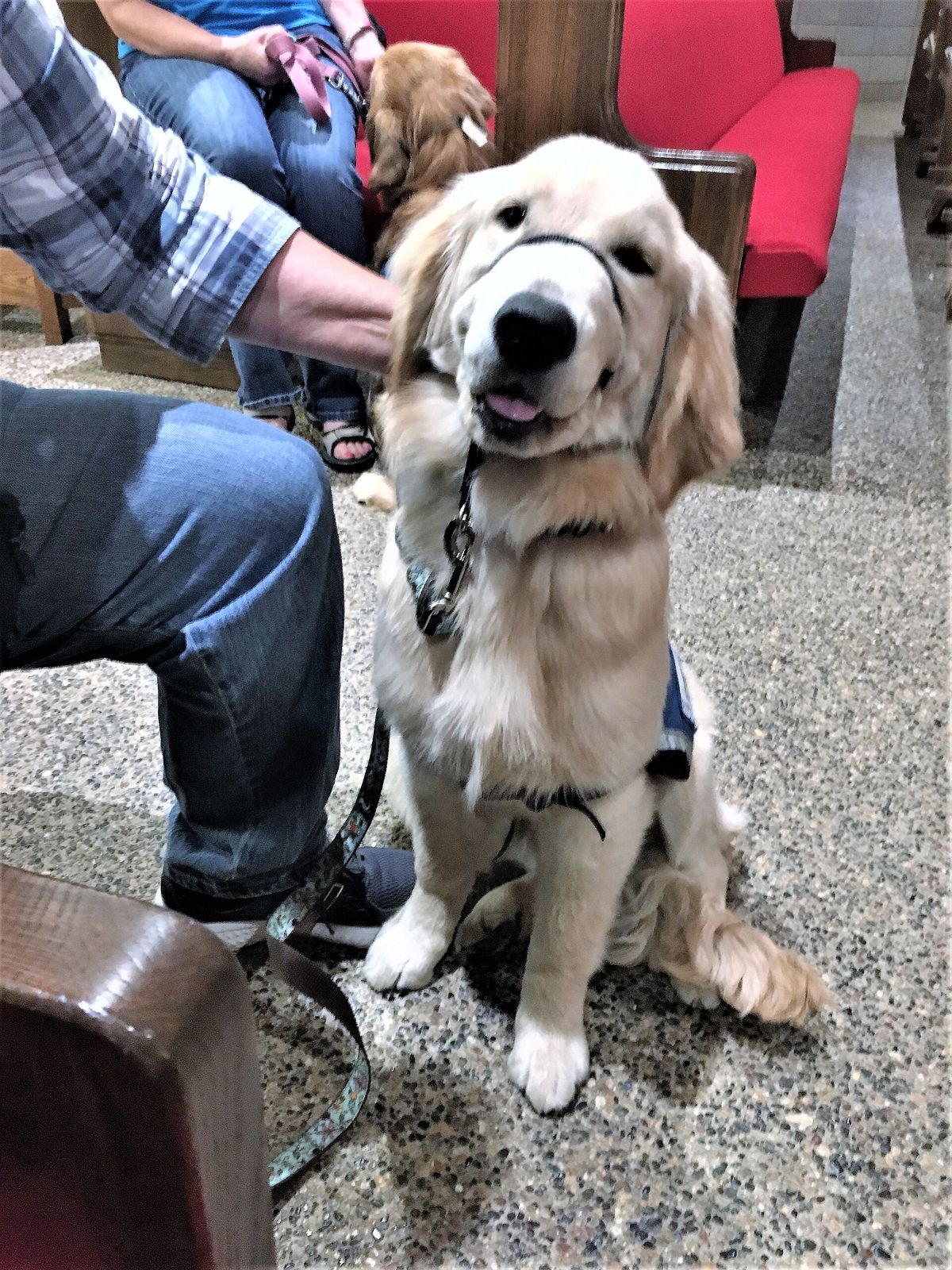
Training a PTSD Dog in Alabama
While a trainer is training, Alabama gives the trainer the same public access as a handler with a disability. To tell a dog in training from a pet, a business may ask these questions.
Who is training
Whether you are an owner trainer with a disability or a qualified trainer with at least a year of experience.
Program ID
Photo identification showing a connection to a recognized school or organization that trains service dogs.
The task in training
What task the dog is learning, and whether you are training it right now.
The dog must wear a harness, collar, leash, cape or backpack that says in writing it is a service animal in training, readable from at least 20 feet.
Alabama ESA and PSD Pricing for PTSD
Clear pricing for emotional support animal and psychiatric service dog letters written by a licensed mental health professional. Your screening is free, and you pay only if a clinician supports a letter and you decide to continue.
ESA Housing Letter For One Pet
Best option for most renters with one emotional support animal
- Free online screening with a licensed psychotherapist
- Telehealth evaluation when clinically indicated
- Letter written for ESA housing requests
- Digital delivery within 24-48 hours after payment
- Follow up clarification for landlords included
ESA Housing Letter For Multiple Pets
For people who have more than one emotional support animal in the home
- Free clinical screening that covers up to three ESA dogs or cats
- All approved animals listed together on a single ESA housing letter
- Letter tailored for apartments and rental homes
- Digital delivery within 24-48 hours after payment
- Support for landlord questions about pet deposits and rent
Psychiatric Service Dog Evaluation
For people who may qualify for a task-trained psychiatric service dog
- Free initial screening with a licensed psychotherapist
- Telehealth evaluation focused on symptoms and the tasks the dog is trained to do
- Letter describing the disability-related need and task support
- Clinically grounded documentation, not a generic certificate
- Follow up clarification for housing providers included
Bundle Packages
Save more with combined document bundles
ESA Letter + Certificate Bundle
ESA letter and certificate in one package
- ESA letter from a licensed professional
- ESA certificate with QR code verification
- Digital delivery within 24-48 hours after payment
- Valid for 1 year with renewal reminders
PSD Letter + Certificate + ID Card
Complete PSD documentation: letter, certificate and ID card
- PSD letter from a licensed professional
- PSD certificate with QR code verification
- PSD ID card with photo and barcode
- Digital delivery within 24-48 hours after payment
How an Alabama PTSD Evaluation Works
Screen privately
Answer questions about symptoms, your animal and where you need it, and pause whenever you like.
Meet a clinician
Then an Alabama-licensed clinician reviews your answers and talks with you by video when appropriate.
Receive the outcome
A supported letter is emailed once you choose a plan; if not supported, there is no charge.
Letters Alabamians With PTSD Order
Psychiatric service dog letter
Describes the need for a dog trained to do PTSD-related tasks.
ESA housing letter
For a written request to an Alabama landlord.
Several animals
Lists each animal your clinician supports.
Card and certificate
A summary in some bundles; Alabama does not require one.
Help That Does Not Wait for Paperwork


988
Call or text any time; veterans press 1 for the Veterans Crisis Line.
Text 838255
The Veterans Crisis Line also answers by text.
Vet Centers
For counseling locations, call the Vet Center Call Center at 877-927-8387.
Alabama and Federal Rules for PTSD Animals
Code 21-7-4
Trained service dogs go into all public areas of public accommodations with no extra charge; fear and allergies are not grounds to refuse.
Code 21-7-9
Full and equal housing access for service animals, with vaccination proof allowed and damage still your responsibility.
VA grounds
VA admits trained service dogs but does not allow emotional support animals on its health care grounds.
Alabama PTSD Questions on the Frequency List
Can PTSD qualify me for an ESA or psychiatric service dog letter in Alabama?
Yes, if a licensed clinician finds that PTSD substantially limits a major life activity. An ESA helps by its presence; a psychiatric service dog is trained to do tasks related to your disability.
Which VA medical centers serve Alabama?
VA lists medical centers in Birmingham, at 700 South 19th Street, and Tuscaloosa, at 3701 Loop Road East, plus the Central Alabama Veterans Health Care System campuses in Tuskegee and Montgomery.
Can I train my own PTSD service dog in Alabama?
Alabama gives a trainer the same access rights while training. A dog in training must wear a harness, collar, leash, cape or backpack that says in writing it is a service animal in training, readable from at least 20 feet away.
What can a business ask about my PTSD service dog?
Whether the dog is a service animal required because of a disability and what work or tasks it has been trained to perform. Staff may not ask about the nature or extent of your disability.
Does VA pay for a PTSD service dog?
VA does not provide service dogs. Its benefit covers veterinary care and equipment for approved guide, hearing and mobility service dogs from accredited programs, including mobility limits caused mainly by a mental health condition.
Is there someone to talk to tonight?
Yes. Call or text 988 at any hour. Veterans can press 1 for the Veterans Crisis Line or text 838255.
Related Alabama Guides
General information for Alabamians, current as of October 2026, and not legal or medical advice. VA sites and programs change, so confirm details with VA before you travel, and keep working with your treatment team. Screening does not guarantee a letter. In a crisis, call or text 988; veterans can press 1.
Reach Out on Your Own Terms
A private screening, then a clinician licensed in Alabama who understands how a trained dog or a support animal can help with PTSD.